Unveiling Ecdysterone: The Anabolic Supplement You Need to Know About
Understanding Ecdysterone: The Basics
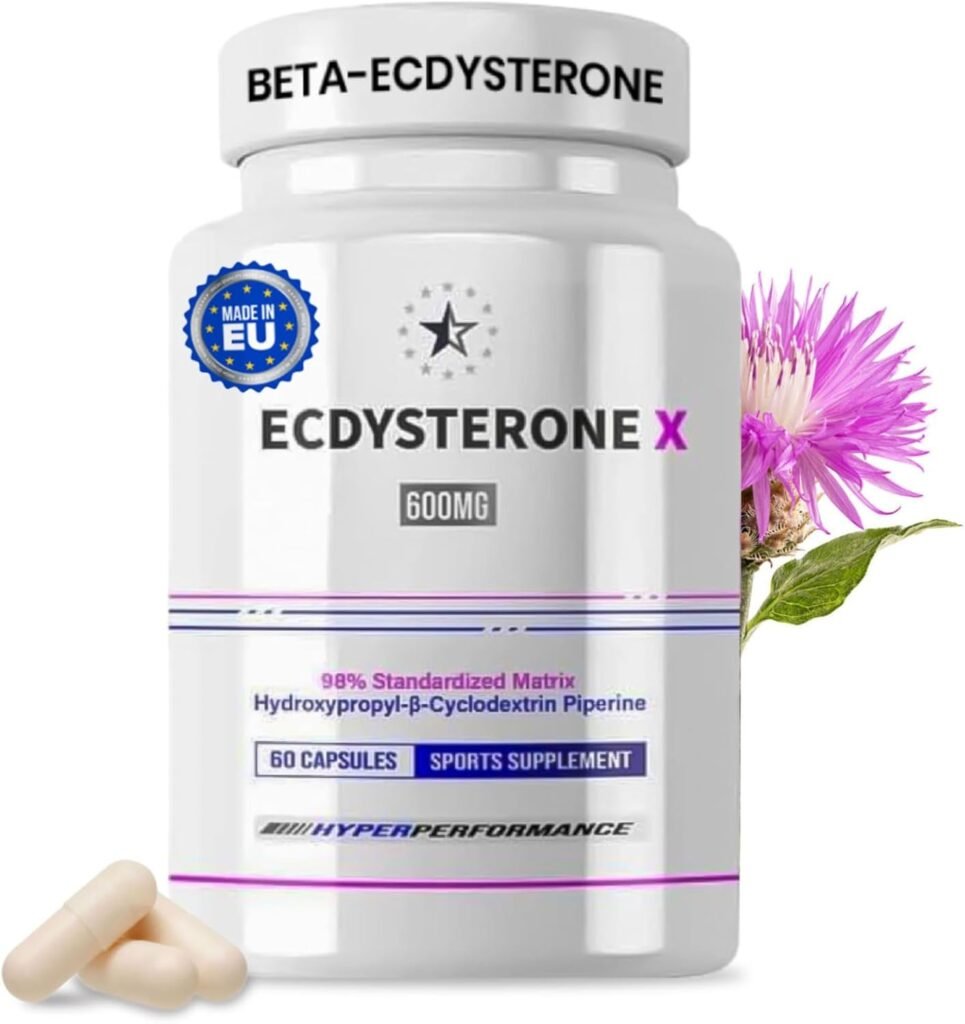
Ecdysterone, a naturally occurring hormone found in various plants and insects, belongs to a class of compounds known as ecdysteroids. These substances play a crucial role in the molting and development processes of arthropods. The chemical structure of ecdysterone bears similarities to anabolic steroids, which has prompted considerable interest in its potential applications in exercise and muscle growth.
This ecdysteroid, structurally defined as a type of steroid hormone, has sparked attention among athletes and fitness enthusiasts due to its purported anabolic properties. The unique molecular structure allows ecdysterone to interact with hormone receptors in the body, potentially enhancing protein synthesis and muscle recovery. Unlike synthetic anabolic steroids, ecdysterone is derived from natural sources, adding an appealing aspect regarding safety and side effects.
In recent years, researchers have brought ecdysterone to the forefront of sports nutrition, adding to its reputation as a promising supplement. While many studies are still underway to fully understand its potential benefits and mechanism of action, the fascination with ecdysterone continues to grow, with many seeking to harness its abilities to support muscle development and recovery.
Mechanisms of Action: How Ecdysterone Works
Ecdysterone, a phytochemical often sought for its potential anabolic effects, acts through several biological mechanisms that enhance physiological performance and muscle development. Central to its function is its capacity to stimulate protein synthesis, a crucial process whereby cells build proteins necessary for muscle growth and repair. Research indicates that ecdysterone can influence the muscle protein synthesis pathway, potentially leading to increased muscle hypertrophy following resistance training.
In addition to protein synthesis, ecdysterone plays a significant role in muscle recovery. Studies suggest that this compound can reduce the muscle damage commonly associated with intense exercise regimens. By modulating inflammatory responses and enhancing the repair processes, ecdysterone may promote quicker recovery between workout sessions, allowing athletes to maintain high training frequencies without the detrimental effects of prolonged muscle soreness.
Another aspect of ecdysterone’s mechanism is its influence on hormonal modulation. Ecdysterone is reported to mimic anabolic hormones, which can lead to increased levels of testosterone in the body, albeit indirectly. This hormonal effect could further contribute to enhanced muscle gain and fat loss, underscoring ecdysterone’s role as an effective supplement in athletic performance.
Moreover, emerging research suggests that ecdysterone may affect gene expression related to muscle growth and adaptation to exercise. By activating specific genes involved in muscle development, ecdysterone could assist in enhancing overall body composition. The findings from various studies strengthen the argument for ecdysterone’s efficacy as an anabolic agent.
Collectively, these mechanisms—promoting protein synthesis, aiding muscle recovery, influencing hormonal levels, and potentially affecting gene expression—illustrate how ecdysterone operates as a multifaceted supplement for those aiming to optimize their physical fitness.
The Importance of Ecdysterone: Benefits and Considerations
Ecdysterone, a naturally occurring compound found in various plants, has garnered attention in the world of sports and fitness for its array of benefits. One of the primary advantages of ecdysterone supplementation is its potential to promote muscle growth. Research indicates that this compound may enhance protein synthesis, thus aiding in the development and recovery of muscle tissue. In studies where ecdysterone has been administered, athletes reported significant improvements in muscle mass, leading to increased performance during strength training and other physical activities.
In addition to its anabolic effects, ecdysterone is also known to improve physical performance. Mechanistically, it appears to enhance endurance and reduce fatigue, allowing athletes to train longer and harder. Many fitness enthusiasts are drawn to ecdysterone as a safe alternative to traditional anabolic steroids. Unlike steroids, which can have numerous adverse side effects and are often banned in competitive sports, ecdysterone is generally considered safe. It does not exhibit the same level of toxicity or risk associated with hormonal manipulation, making it an appealing option for individuals looking to enhance their workouts without the stigma or health concerns of banned substances.
The growing body of research further supports the safety profile of ecdysterone, with studies showing no significant negative side effects at recommended dosages. Its natural origins and the absence of severe adverse reactions in users have contributed to its popularity among athletes and bodybuilders alike. As the body of evidence around ecdysterone continues to expand, it is increasingly viewed as a legitimate dietary supplement to enhance training outcomes.
Conclusion: Is Ecdysterone Right for You?
As we delve into the world of ecdysterone, it is paramount to analyze its key attributes and potential benefits as an anabolic supplement. Ecdysterone is derived naturally from plants, primarily from sources such as spinach and quinoa, and has gained attention for its purported ability to enhance muscle growth and athletic performance. Research indicates that ecdysterone may contribute to increased lean body mass and improved strength, offering an appealing option for athletes and fitness enthusiasts alike.
Individuals considering ecdysterone should be aware of the variations in its effectiveness based on personal physiology. While many users report positive results, the response to the supplement may vary significantly among individuals. Therefore, it is crucial to approach its use with realistic expectations and a comprehensive understanding of one’s own body.
The recommended dosage of ecdysterone typically ranges from 200 to 600 mg per day, though it is advisable to consult a healthcare professional before incorporating any new supplement into your regimen. Such consultation is particularly important for those with pre-existing health conditions or those currently taking medications, as potential interactions may occur.
Moreover, while ecdysterone is generally considered safe, some users may experience mild side effects, such as digestive discomfort or headaches. It is essential to monitor how your body responds and make adjustments accordingly. By weighing the benefits against potential risks, individuals can better determine if ecdysterone aligns with their fitness objectives.
Ultimately, ecdysterone presents an intriguing supplement option, but being informed and exercising caution are necessary steps to ensure it is a fitting addition to your health and fitness journey.