
The Silent Epidemic: Understanding Sleep Deprivation and Its Health Impacts
The Struggle with Sleep: Understanding Sleep Deprivation
Sleep deprivation has become an increasingly common issue in today’s fast-paced society. Factors contributing to insufficient sleep can be multifaceted, involving stress, anxiety, lifestyle choices, and the pervasive influence of technology on our daily routines. Many individuals find themselves caught in a cycle of inadequate rest, leading to significant adverse effects on overall health and well-being.
Stress and anxiety often manifest in sleepless nights. Individuals grappling with overwhelming responsibilities or personal struggles may find it challenging to unwind, resulting in a restless mind and difficulty falling asleep. Likewise, lifestyle choices such as irregular sleeping patterns, excessive consumption of caffeine, or long working hours can further exacerbate this issue, leading to chronic sleep deprivation.
The impact of technology cannot be overlooked, as the use of smartphones, tablets, and computers stimulates the brain and disrupts natural sleep cycles. The blue light emitted by these devices interferes with the production of melatonin, the hormone responsible for regulating sleep. The temptation to engage with digital content often leads to extended screentime, which adversely affects both the quantity and quality of sleep.
Recognizing the symptoms of sleep deprivation is essential for understanding its impact on daily life. Common signs include persistent fatigue, irritability, and decreased cognitive function, such as difficulties in concentration or memory retention. These symptoms can significantly impair productivity and social interactions, compounding the struggle faced by those already battling with sleep issues. Awareness of these challenges is the first step toward seeking effective strategies for improvement.
The Health Consequences of Sleep Deprivation
Sleep deprivation poses significant health risks, impacting various aspects of physical and mental well-being. One of the most alarming consequences of insufficient sleep is its association with weight gain. Research shows that individuals who consistently fail to achieve adequate sleep hours experience hormonal imbalances that affect appetite regulation. Specifically, sleep deprivation can lead to increased levels of ghrelin, the hormone that stimulates hunger, and decreased levels of leptin, the hormone responsible for signaling satiety. This disruption can result in heightened cravings, particularly for high-calorie foods, ultimately contributing to increased caloric intake and, subsequently, weight gain.
Moreover, sleep deprivation adversely affects metabolic health. Chronic lack of sleep is linked to insulin resistance, which is a precursor to type 2 diabetes. When the body does not receive sufficient rest, it struggles to regulate blood sugar levels and respond adequately to insulin, amplifying the risk of developing diabetes. Additionally, there is a growing body of evidence that supports the connection between inadequate sleep and cardiovascular diseases. Conditions such as hypertension and heart disease can be exacerbated by chronic sleep deficiency due to inflammatory processes and impaired metabolic regulation.
Beyond physical health, the ramifications of sleep deprivation extend into mental health. Insufficient sleep has been shown to increase the risk of anxiety and depression, as the brain’s ability to process emotions and cope with stress diminishes. Those suffering from chronic sleep deprivation often report feelings of irritability, fatigue, and cognitive difficulties, contributing to a detrimental cycle that reduces sleep quality even further. Indeed, addressing sleep hygiene and ensuring adequate rest is crucial in mitigating these profound health impacts.
The Impact of Poor Sleep on Weight Management
A significant body of research underscores the critical link between sleep quality and weight management. Sleep deprivation has been associated with changes in metabolic processes, hormonal regulation, and behavioral patterns that can lead to weight gain. An integral aspect of this relationship involves hormones such as ghrelin and leptin, which play essential roles in hunger regulation.
Ghrelin, often referred to as the “hunger hormone,” increases appetite, while leptin, known as the “satiety hormone,” signals fullness. Poor sleep has been shown to elevate levels of ghrelin and diminish levels of leptin, thereby creating a hormonal imbalance that fosters an increased appetite and cravings for high-calorie foods. This imbalance can make it increasingly difficult for individuals to manage their weight effectively, as they may find themselves consuming more calories than necessary not due to genuine hunger but rather hormonal disruptions caused by insufficient sleep.
Moreover, sleep deprivation contributes to fatigue, which can significantly hinder one’s motivation to engage in physical activities. When individuals experience poor sleep, they often feel exhausted, leading to reduced levels of physical activity and a consequential decrease in energy expenditure. This combination of increased appetite and decreased physical activity creates a perfect storm for weight gain, making the management of body weight a challenging endeavor for sleep-deprived individuals.
In essence, the interplay between sleep quality and weight is complex and multifaceted. Addressing sleep deprivation is thus not just about improving rest but also about ensuring effective weight management. By prioritizing quality sleep, individuals may experience enhanced control over their appetite, increased motivation for physical activity, and ultimately, a more balanced approach to achieving and maintaining a healthy weight.
Solutions for Better Sleep: Introducing Jocko Good Night
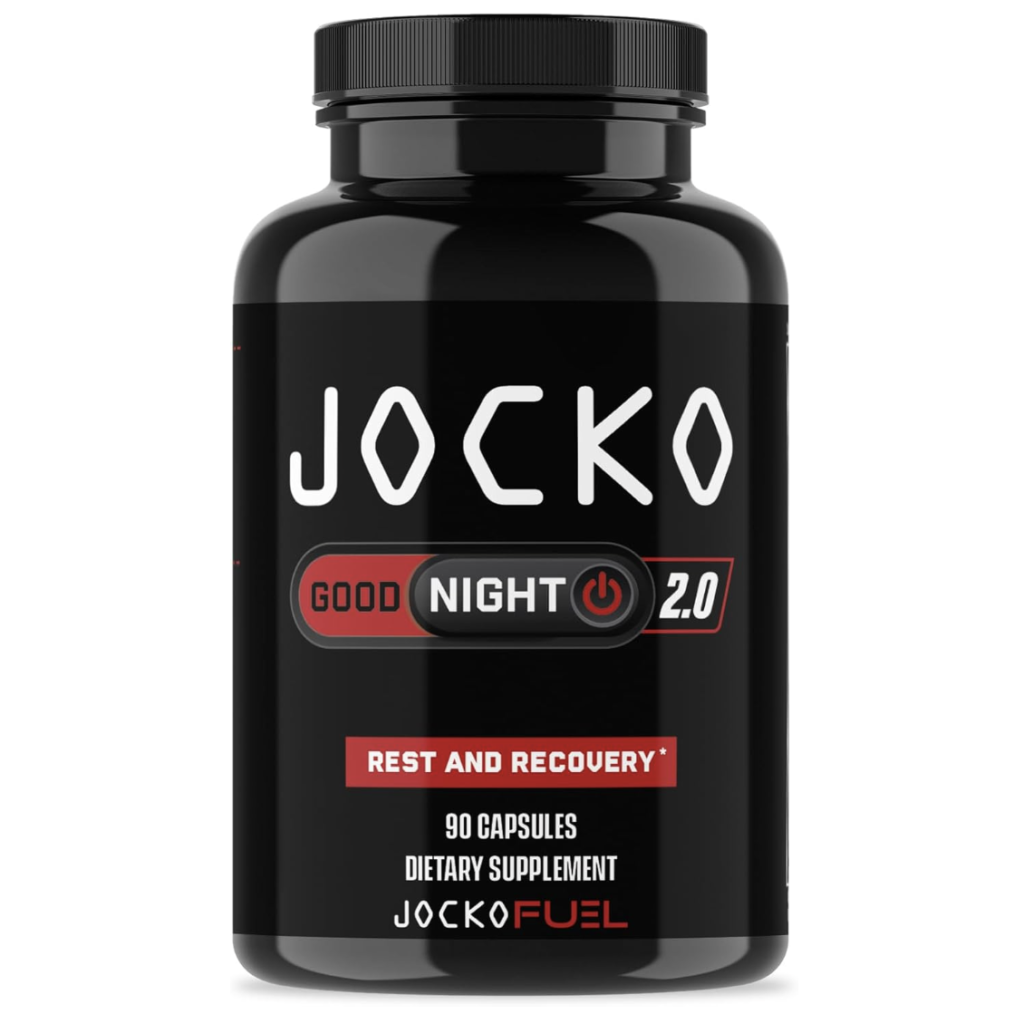
Combating sleep deprivation involves a multifaceted approach tailored to individual needs and lifestyles. One promising solution that has gained attention is Jocko Good Night, a sleep supplement designed to enhance the quality of rest. Formulated with a blend of natural ingredients, this product aims to promote relaxation, reduce anxiety, and facilitate a deeper sleep cycle.
Jocko Good Night contains key ingredients such as melatonin, magnesium, and restorative herbs that are known for their calming properties. Melatonin, a hormone that regulates sleep-wake cycles, can help signal to the body that it is time to wind down. Meanwhile, magnesium supports muscle relaxation, potentially reducing nighttime restlessness. Together, these ingredients work synergistically to enhance overall sleep quality and improve recovery from daily stressors.
Incorporating Jocko Good Night into a nightly routine can be a practical step toward achieving better sleep. However, it is essential to also foster a sleep-friendly environment. This includes maintaining a cool, dark room and minimizing noise disruptions. Limiting exposure to screens before bedtime can additionally help reinforce the body’s natural circadian rhythm.
Creating healthy bedtime routines is equally important. Engaging in relaxing activities such as reading, gentle stretching, or meditation can ease the transition to sleep. By combining these habits with the use of Jocko Good Night, individuals can work toward a holistic approach to sleep improvement.
By prioritizing quality sleep, individuals can enhance their overall well-being, cognitive function, and emotional health. Therefore, exploring solutions like Jocko Good Night, alongside sustainable lifestyle changes, could form a robust strategy against sleep deprivation.